
Ph.D. Students
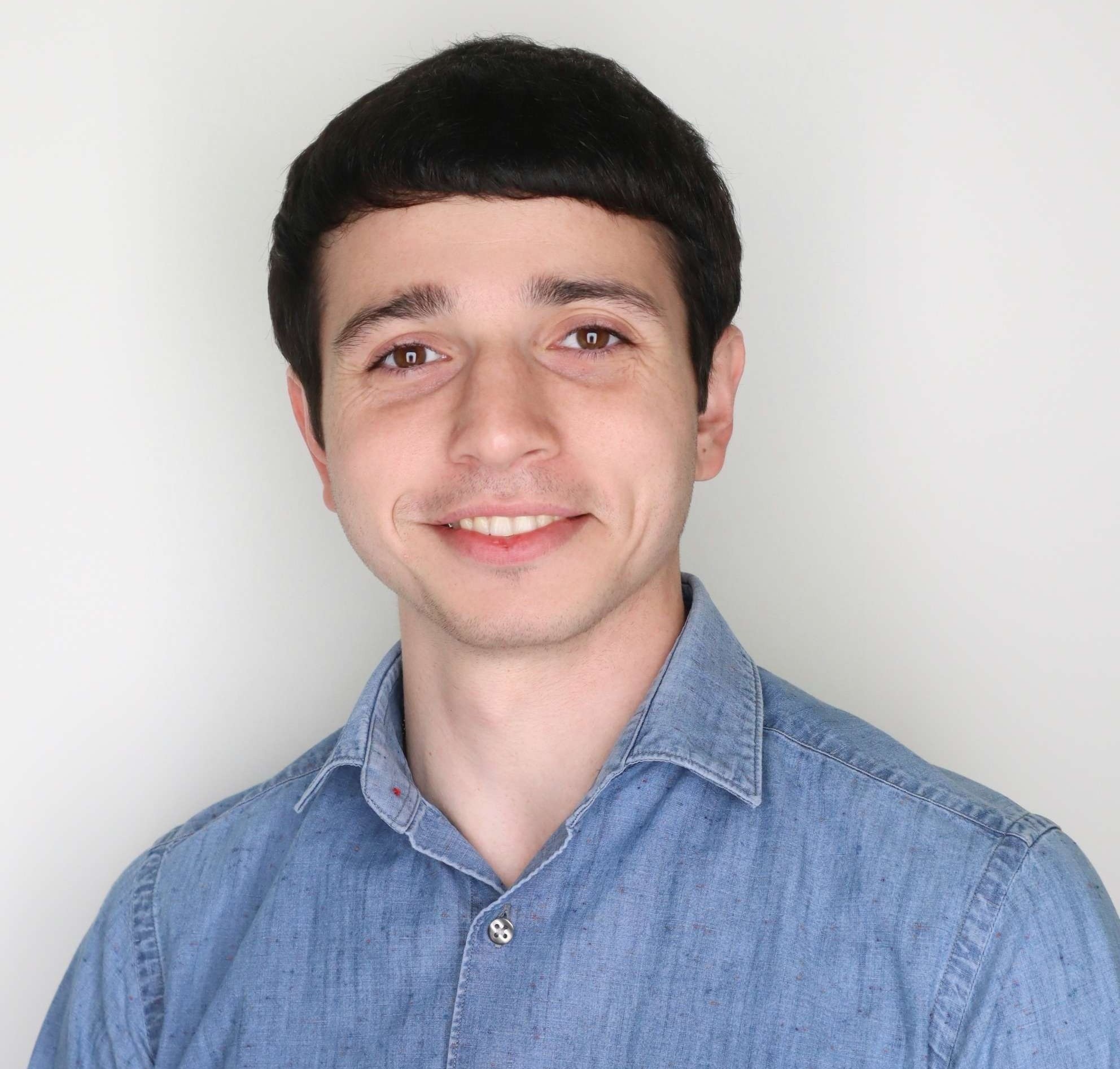
Artashes Artashesian
PhD student
Artashes Artashesian is from Armenia. He earned his B.S. in Computer Science
from the University of California, Irvine, with a minor in Statistics...
Artashes Artashesian is from Armenia. He earned his B.S. in Computer Science
from the University of California, Irvine, with a minor in Statistics, and
participated in the ICS Honors Research Program during his undergraduate
studies. He is currently pursuing a Ph.D. in Software Engineering at UCI,
focusing on research in AI and software engineering education.
more ▼
less ▲

Moumita Asad
PhD student
Moumita Asad is a Ph.D. student in Software Engineering at the University of California, Irvine, advised by Professor Sam Malek.
Her research focuses on AI-driven software quality assurance. She has published in venues such as ICSME, ICSE Workshops, ENASE and SEKE. She has served as a reviewer for venues including ReCode@ICSE, Automated Software Engineering and Computing.
She received Academic Excellence Gold Medals for achieving the highest CGPA in both her B.S. and M.S. degrees from the University of Dhaka.
Moumita Asad is a Ph.D. student in Software Engineering at the University of California, Irvine, advised by Professor Sam Malek.
Her research focuses on AI-driven software quality assurance. She has published in venues such as ICSME, ICSE Workshops, ENASE and SEKE. She has served as a reviewer for venues including ReCode@ICSE, Automated Software Engineering and Computing.
She received Academic Excellence Gold Medals for achieving the highest CGPA in both her B.S. and M.S. degrees from the University of Dhaka.
more ▼
less ▲
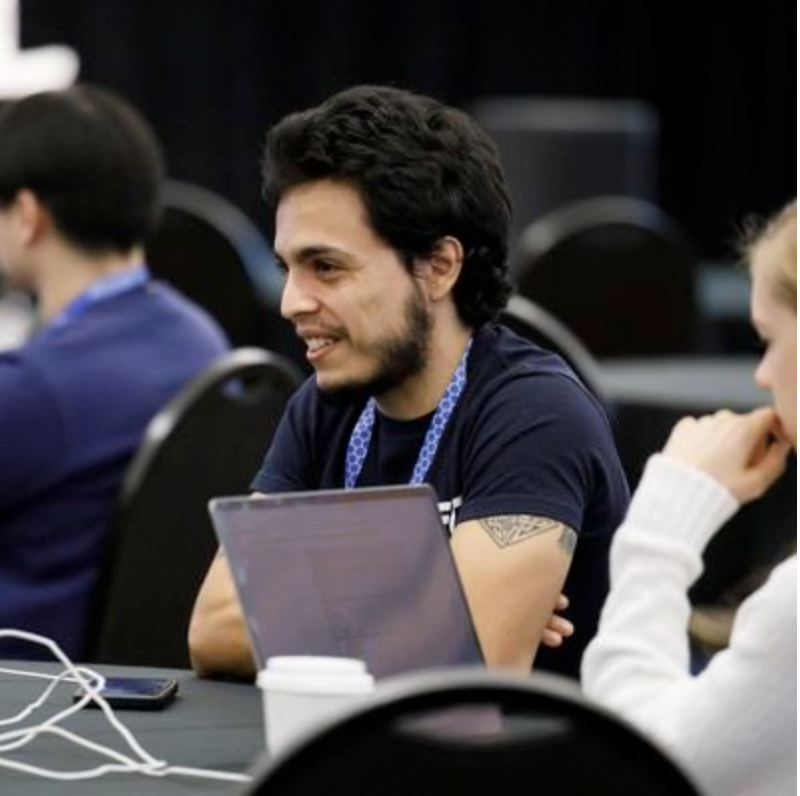
Jessy Ayala
PhD student
Jessy is a fourth-year PhD Student (Candidate as of May’25) at the University of California, Irvine, where he is a member of the SORA Lab research group led by Joshua Garcia.
He studies questions centered around securing the open-source ecosystem using a variety of techniques (e.g., empirical and qualitative methods).
Jessy’s current research investigates software vulnerability management (SVM), which is the collection of approaches, processes, and activities undertaken by software developers and security professionals to ensure the security and privacy of software systems and prevent or protect against associated attacks.
Jessy is a fourth-year PhD Student (Candidate as of May’25) at the University of California, Irvine, where he is a member of the SORA Lab research group led by Joshua Garcia.
He studies questions centered around securing the open-source ecosystem using a variety of techniques (e.g., empirical and qualitative methods).
Jessy’s current research investigates software vulnerability management (SVM), which is the collection of approaches, processes, and activities undertaken by software developers and security professionals to ensure the security and privacy of software systems and prevent or protect against associated attacks.
more ▼
less ▲
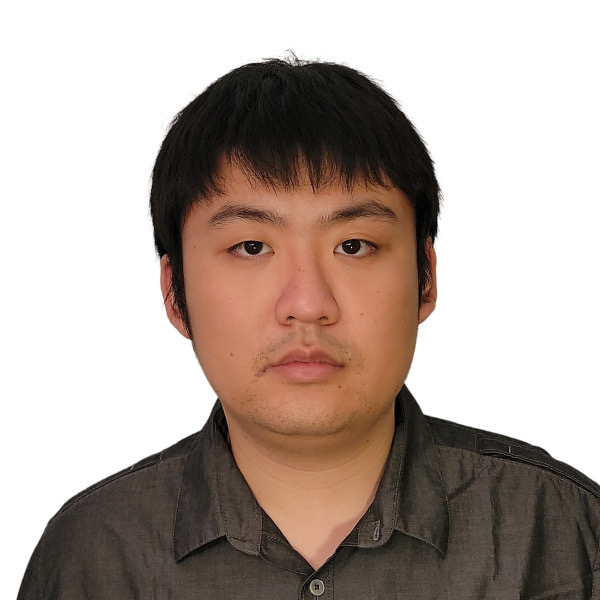
QiHong (Aaron) Chen
PhD student
QiHong (Aaron) Chen is a Ph.D. candidate in Software Engineering at the University of California, Irvine, advised by Professor Iftekhar Ahmed.
His research focuses on large language models for code (LLM4Code), with an emphasis on improving their effectiveness and reliability for code-related tasks. He has authored two research papers and is currently working on a third paper aimed at improving LLM performance for repository-level code generation.
His work broadly examines how LLMs can better support software development activities and how their limitations can be identified and addressed through systematic research. Chen received his undergraduate education at the University of California, Irvine and continues to pursue research on advancing the capabilities of LLM-based tools for software development.
QiHong (Aaron) Chen is a Ph.D. candidate in Software Engineering at the University of California, Irvine, advised by Professor Iftekhar Ahmed.
His research focuses on large language models for code (LLM4Code), with an emphasis on improving their effectiveness and reliability for code-related tasks. He has authored two research papers and is currently working on a third paper aimed at improving LLM performance for repository-level code generation.
His work broadly examines how LLMs can better support software development activities and how their limitations can be identified and addressed through systematic research. Chen received his undergraduate education at the University of California, Irvine and continues to pursue research on advancing the capabilities of LLM-based tools for software development.
more ▼
less ▲

Nai-Yu Cheng
PhD student
Nai-Yu Cheng is a human-computer interaction (HCI) researcher and a Ph.D. student in Informatics at the University of California, Irvine, co-advised by Professor André van der Hoek and Professor Madhu Reddy. She is affiliated with the Software Design and Collaboration Lab (SDCL) and the People, Information, and Technology Changing Health (PITCH) Lab. Her research sits at the intersection of HCI and digital mental health, with a focus on wellbeing-centered design in digital technologies. She examines how work processes and technologies (e.g., AI tools) shape mental wellbeing in software development contexts and (re)designs interventions and development tools to mitigate negative impacts while promoting sustainable wellbeing and productivity. She also investigates culturally grounded digital tools for mental wellbeing support, exploring how cultural contexts influence individuals’ wellbeing experiences and coping practices, and how these insights can inform the design of culturally responsive technologies. Her work has been published in top-tier research conferences such as CHI. Beyond HCI, she brings an interdisciplinary background spanning marketing, management, psychology, and drama and theatre.
Nai-Yu Cheng is a human-computer interaction (HCI) researcher and a Ph.D. student in Informatics at the University of California, Irvine, co-advised by Professor André van der Hoek and Professor Madhu Reddy. She is affiliated with the Software Design and Collaboration Lab (SDCL) and the People, Information, and Technology Changing Health (PITCH) Lab. Her research sits at the intersection of HCI and digital mental health, with a focus on wellbeing-centered design in digital technologies. She examines how work processes and technologies (e.g., AI tools) shape mental wellbeing in software development contexts and (re)designs interventions and development tools to mitigate negative impacts while promoting sustainable wellbeing and productivity. She also investigates culturally grounded digital tools for mental wellbeing support, exploring how cultural contexts influence individuals’ wellbeing experiences and coping practices, and how these insights can inform the design of culturally responsive technologies. Her work has been published in top-tier research conferences such as CHI. Beyond HCI, she brings an interdisciplinary background spanning marketing, management, psychology, and drama and theatre.
more ▼
less ▲
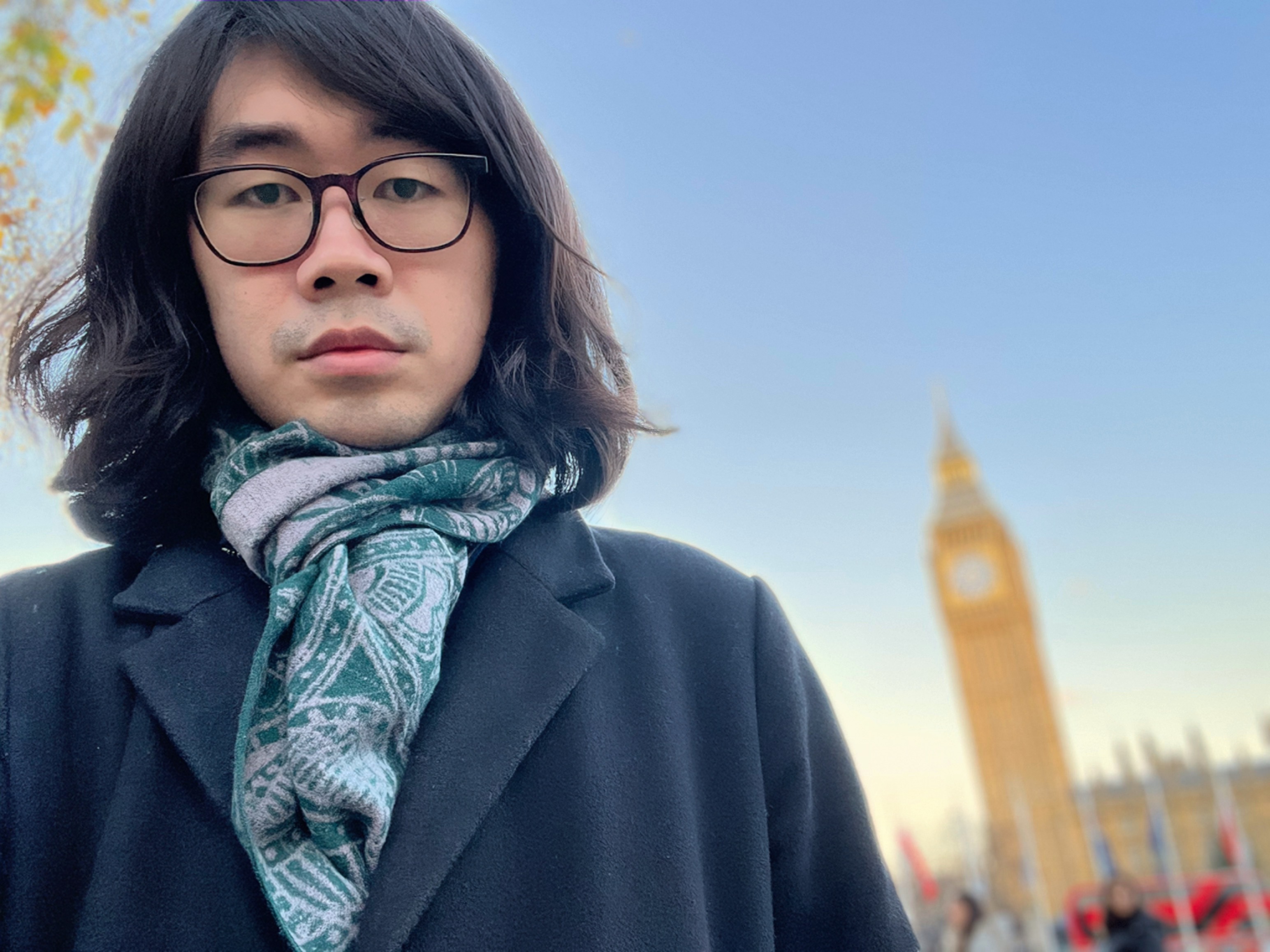
Yi-Hung Chou
PhD student
Yi-Hung Chou is a third-year Ph.D. student in Software Engineering at the University of California, Irvine, advised by Prof. James A. Jones. His research focuses on the human aspects of software engineering, particularly developer behavior and tooling. He received his B.Sc. in Computer Science (ELITE Stream) from The Chinese University of Hong Kong and his M.S. in Software Engineering from UC Irvine. His work has been published at FSE, MSR, and CHI. He is a recipient of the Taiwan Government Scholarship to Study Abroad.
Yi-Hung Chou is a third-year Ph.D. student in Software Engineering at the University of California, Irvine, advised by Prof. James A. Jones. His research focuses on the human aspects of software engineering, particularly developer behavior and tooling. He received his B.Sc. in Computer Science (ELITE Stream) from The Chinese University of Hong Kong and his M.S. in Software Engineering from UC Irvine. His work has been published at FSE, MSR, and CHI. He is a recipient of the Taiwan Government Scholarship to Study Abroad.
more ▼
less ▲
YongJin (Jina) Chun
PhD student
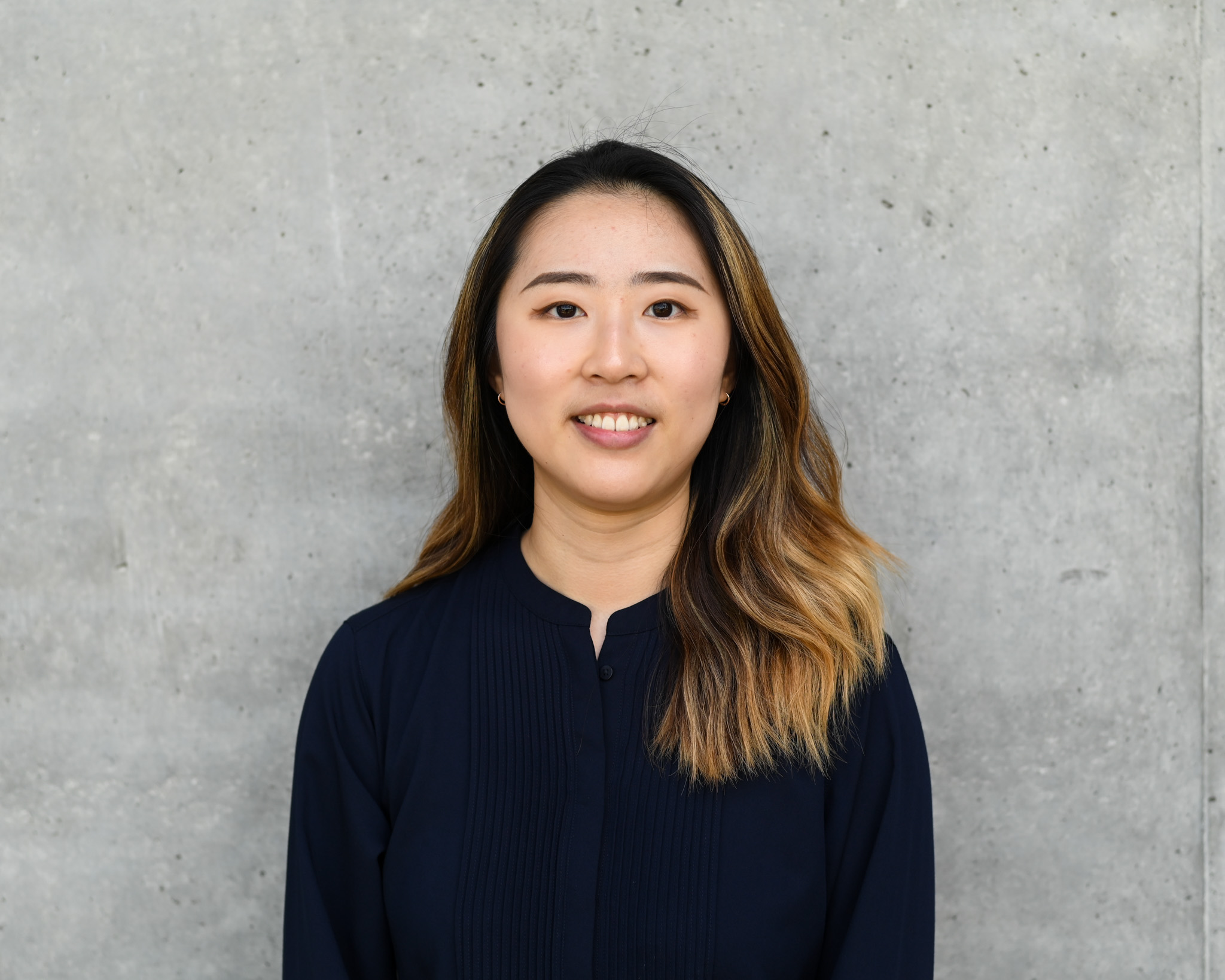
Jina Chun is a Ph.D. student in Software Engineering at the University of California, Irvine, advised by Professor Iftekhar Ahmed. Her research advances software engineering through Large Language Models (LLMs), Natural Language Processing, and Multi-Agent Systems, with a focus on collaborative, debate-driven agentic frameworks that improve the reliability, reasoning, and scalability of automated software development.
Jina Chun is a Ph.D. student in Software Engineering at the University of California, Irvine, advised by Professor Iftekhar Ahmed. Her research advances software engineering through Large Language Models (LLMs), Natural Language Processing, and Multi-Agent Systems, with a focus on collaborative, debate-driven agentic frameworks that improve the reliability, reasoning, and scalability of automated software development.
more ▼
less ▲
Ella Dodor
PhD student
Hang Du is a Ph.D. candidate in Software Engineering at the University of California, Irvine, where he is advised by Prof. James A. Jones and mentored by Dr. Vijay Krishna Palepu (SpiderLab alumnus, currently at Microsoft). He received his B.Sc. in Computer Science from Jilin University, China, and his M.S. in Software Engineering from UC Irvine. His research advances the foundations and practice of software testing, program analysis, instrumentation, and mutation analysis to improve how we evaluate and assure software correctness. In the era of large language models (LLMs), his work rethinks how software should be tested, validated, and understood, developing new methodologies and experimental infrastructures that strengthen the reliability of AI-assisted software development. He has published his research in leading software engineering venues, including ICSE, FSE, ISSTA, and ASE. Beyond research, Hang is committed to modernizing software engineering education, designing curricula and teaching methodologies that prepare students to rigorously test, reason about, and maintain AI-generated and AI-assisted software systems.
Hang Du is a Ph.D. candidate in Software Engineering at the University of California, Irvine, where he is advised by Prof. James A. Jones and mentored by Dr. Vijay Krishna Palepu (SpiderLab alumnus, currently at Microsoft). He received his B.Sc. in Computer Science from Jilin University, China, and his M.S. in Software Engineering from UC Irvine. His research advances the foundations and practice of software testing, program analysis, instrumentation, and mutation analysis to improve how we evaluate and assure software correctness. In the era of large language models (LLMs), his work rethinks how software should be tested, validated, and understood, developing new methodologies and experimental infrastructures that strengthen the reliability of AI-assisted software development. He has published his research in leading software engineering venues, including ICSE, FSE, ISSTA, and ASE. Beyond research, Hang is committed to modernizing software engineering education, designing curricula and teaching methodologies that prepare students to rigorously test, reason about, and maintain AI-generated and AI-assisted software systems.
more ▼
less ▲
Hang Du
PhD student
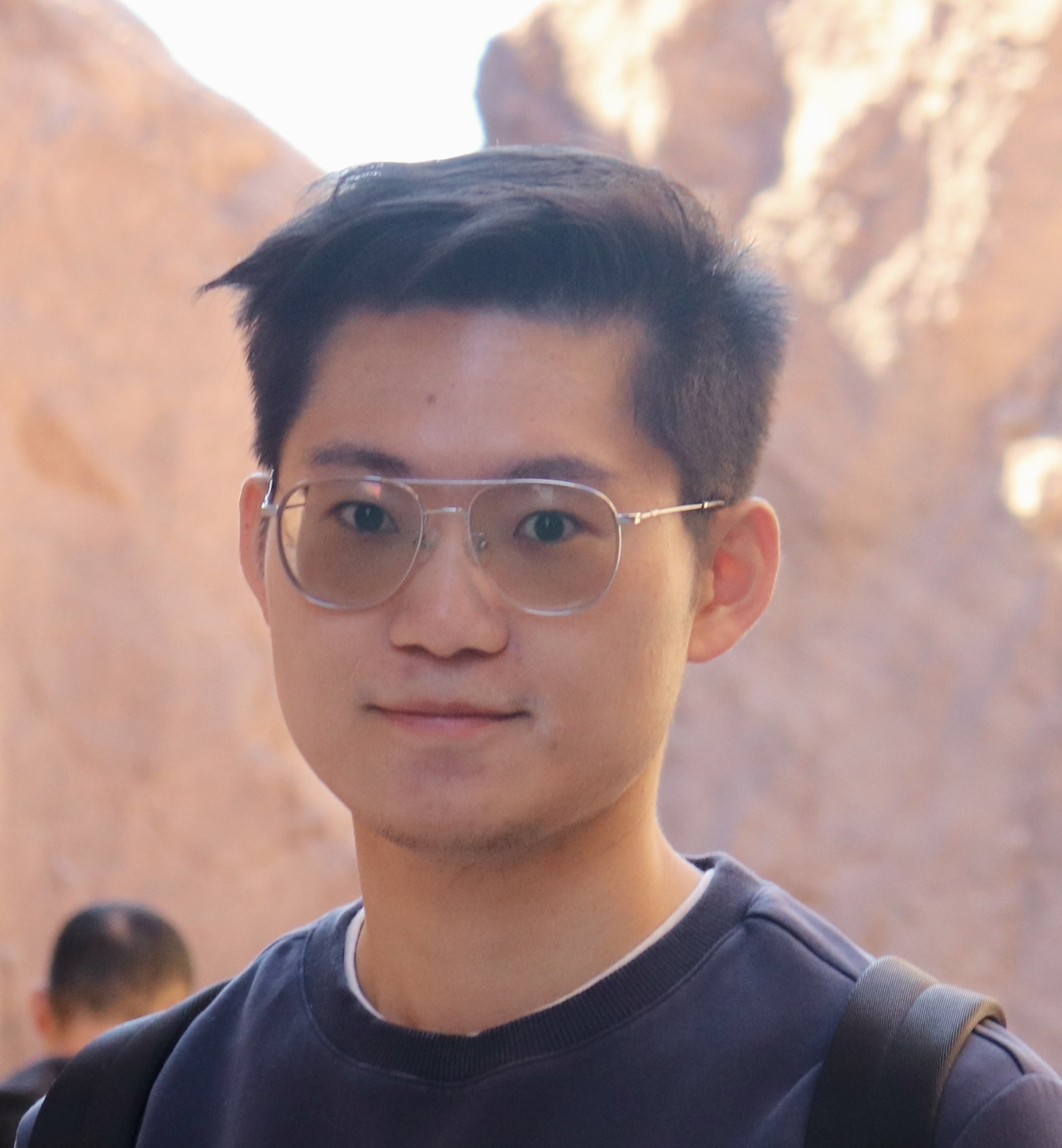
Hang Du is a Ph.D. candidate in Software Engineering at the University of California, Irvine, where he is advised by Prof. James A.
Jones and mentored by Dr. Vijay Krishna Palepu (SpiderLab alumnus, currently at Microsoft). He received his B.Sc. in Computer Science from Jilin University, China, and his M.S. in Software Engineering from UC Irvine. His research advances the foundations and practice of software testing, program analysis, instrumentation, and mutation analysis to improve how we evaluate and assure software correctness.
In the era of large language models (LLMs), his work rethinks how software should be tested, validated, and understood, developing new methodologies and experimental infrastructures that strengthen the reliability of AI-assisted software development.
He has published his research in leading software engineering venues, including ICSE, FSE, ISSTA, and ASE. Beyond research, Hang is committed to modernizing software engineering education, designing curricula and teaching methodologies that prepare students to rigorously test, reason about, and maintain AI-generated and AI-assisted software systems.
Hang Du is a Ph.D. candidate in Software Engineering at the University of California, Irvine, where he is advised by Prof. James A.
Jones and mentored by Dr. Vijay Krishna Palepu (SpiderLab alumnus, currently at Microsoft). He received his B.Sc. in Computer Science from Jilin University, China, and his M.S. in Software Engineering from UC Irvine. His research advances the foundations and practice of software testing, program analysis, instrumentation, and mutation analysis to improve how we evaluate and assure software correctness.
In the era of large language models (LLMs), his work rethinks how software should be tested, validated, and understood, developing new methodologies and experimental infrastructures that strengthen the reliability of AI-assisted software development.
He has published his research in leading software engineering venues, including ICSE, FSE, ISSTA, and ASE. Beyond research, Hang is committed to modernizing software engineering education, designing curricula and teaching methodologies that prepare students to rigorously test, reason about, and maintain AI-generated and AI-assisted software systems.
more ▼
less ▲
Asif Haider
PhD student
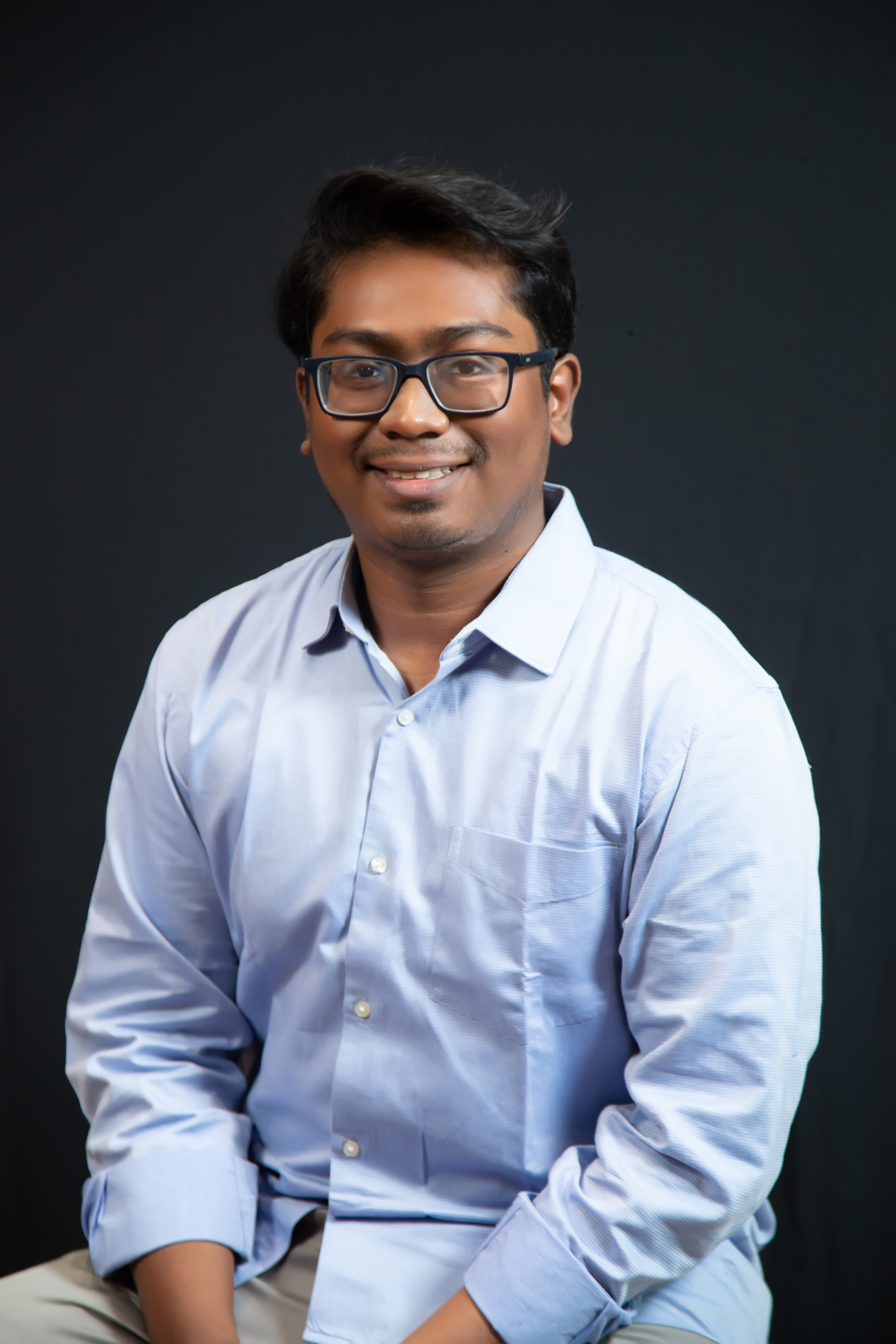
Asif is currently pursuing his PhD in Software Engineering, starting Fall 2025. He also serves as a Graduate Research/Teaching Assistant in the Informatics Department at the University of California, Irvine, under its School of Information and Computer Sciences (ICS).
Originally from Bangladesh, Asif is currently on study leave from BRAC University, where he spent one year as a Lecturer in Computer Science and Engineering (CSE). Before that, he obtained his Bachelor's degree in the same major from Bangladesh University of Engineering and Technology (BUET). Awarded the undergraduate research grant, there he worked on Large Language Models for Code Review and Repair.
His research interests include Empirical Software Engineering, Developer Experience, and Mining Software Repositories, under the supervision of Professor Thomas Zimmermann.
Asif is currently pursuing his PhD in Software Engineering, starting Fall 2025. He also serves as a Graduate Research/Teaching Assistant in the Informatics Department at the University of California, Irvine, under its School of Information and Computer Sciences (ICS).
Originally from Bangladesh, Asif is currently on study leave from BRAC University, where he spent one year as a Lecturer in Computer Science and Engineering (CSE). Before that, he obtained his Bachelor's degree in the same major from Bangladesh University of Engineering and Technology (BUET). Awarded the undergraduate research grant, there he worked on Large Language Models for Code Review and Repair.
His research interests include Empirical Software Engineering, Developer Experience, and Mining Software Repositories, under the supervision of Professor Thomas Zimmermann.
more ▼
less ▲
Ziyao (Stephen) He
PhD student
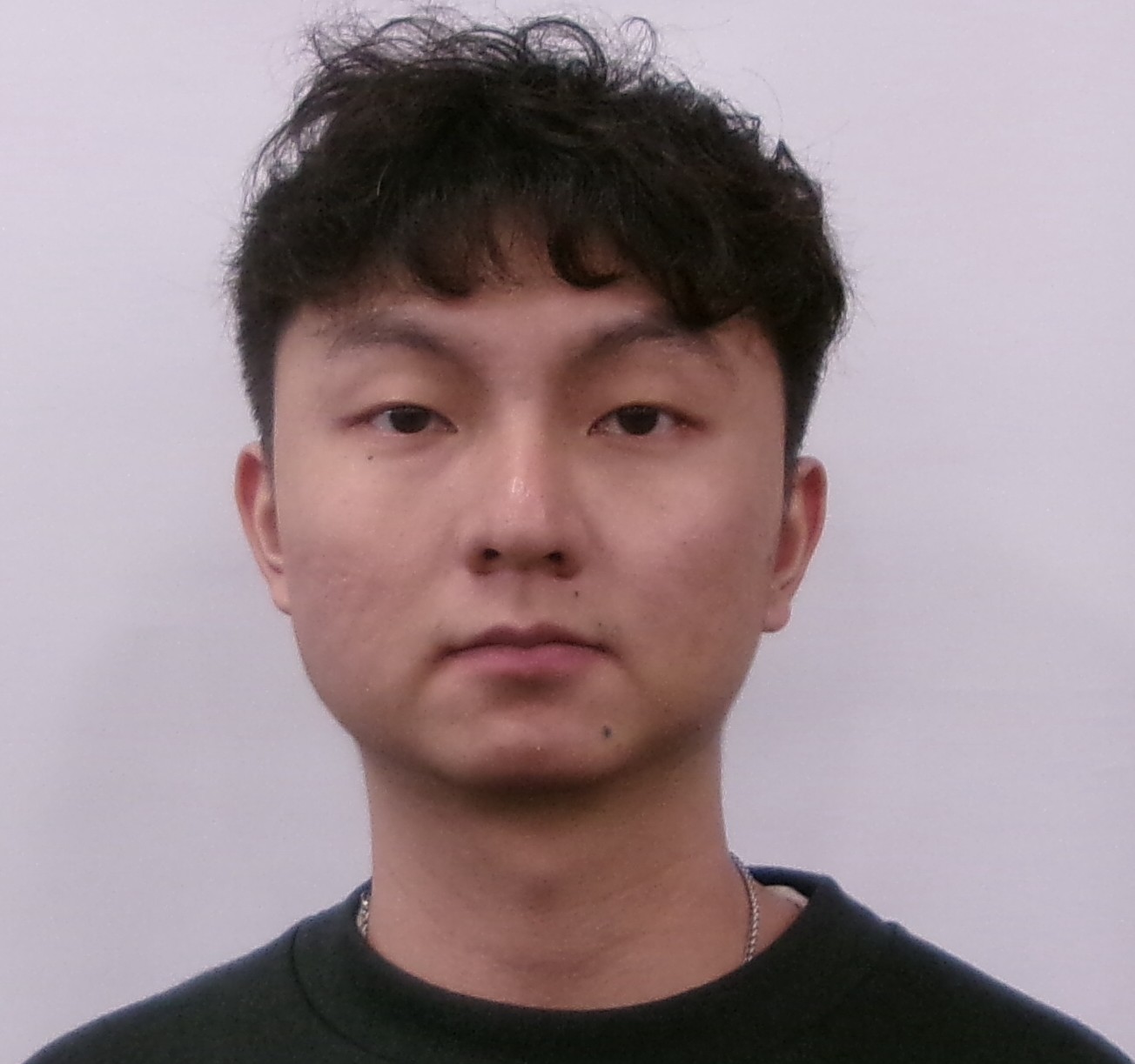
Ziyao (Stephen) is a third-year PhD candidate in Software Engineering at the University of California, Irvine, supervised by Professor Sam Malek . His research combines empirical studies with tool development to advance software accessibility. He has investigated the current state of accessibility in real-world software systems and examined how developers address accessibility issues in open-source communities. Building on these insights, he designs semi-automated and automated techniques to detect and remediate accessibility violations in both mobile applications and websites.
Ziyao (Stephen) is a third-year PhD candidate in Software Engineering at the University of California, Irvine, supervised by Professor Sam Malek . His research combines empirical studies with tool development to advance software accessibility. He has investigated the current state of accessibility in real-world software systems and examined how developers address accessibility issues in open-source communities. Building on these insights, he designs semi-automated and automated techniques to detect and remediate accessibility violations in both mobile applications and websites.
more ▼
less ▲

Md Rakib (Rakib) Hossain
PhD student
This is Rakib, a Software Engineering Ph.D. Candidate at the University of California, Irvine (UCI), working with Professor Cristina Lopes in Mondego Research Group. Before that, I pursued a Master’s in Software Systems Engineering at the University College London (UCL) as a Commonwealth Scholar.
My primary research area is Software Engineering, focused on AI for Reliable & Verifiable Software Engineering. Currently focusing on AI for program synthesis, program verification, and program analysis.
This is Rakib, a Software Engineering Ph.D. Candidate at the University of California, Irvine (UCI), working with Professor Cristina Lopes in Mondego Research Group. Before that, I pursued a Master’s in Software Systems Engineering at the University College London (UCL) as a Commonwealth Scholar.
My primary research area is Software Engineering, focused on AI for Reliable & Verifiable Software Engineering. Currently focusing on AI for program synthesis, program verification, and program analysis.
more ▼
less ▲
Yuqi Huai
PhD student
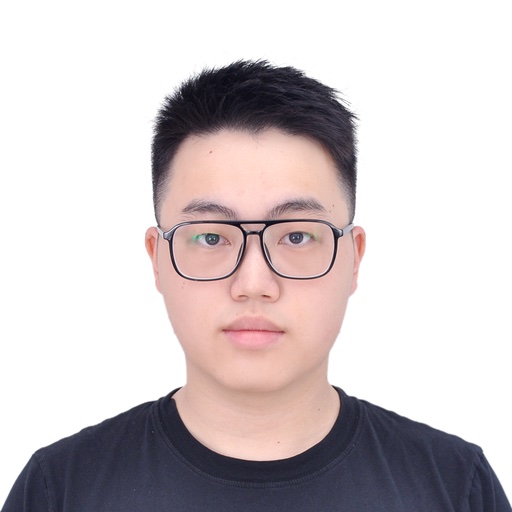
Yuqi Huai is a Ph.D. candidate in Software Engineering at the University of California, Irvine, where he conducts research on software testing for autonomous driving systems. He develops novel testing methodologies and infrastructures to improve the reliability of safety-critical autonomous vehicle software, including doppelgänger test generation (DoppelTest), search-based scenario generation (scenoRITA), and deterministic frame-based testing (DeFT). His work has appeared in top-tier venues such as IEEE Transactions on Software Engineering (TSE), the International Conference on Software Engineering (ICSE), and the ACM International Conference on the Foundations of Software Engineering (FSE). Yuqi also builds reproducible research infrastructure, including a cloud-based autonomous driving research infrastructure (CADRI) and the open-source SORA-SVL Server. He received his B.S. degrees in Computer Science and Software Engineering from UC Irvine, and he is currently advised by Professor Joshua Garcia in his doctoral studies.
Yuqi Huai is a Ph.D. candidate in Software Engineering at the University of California, Irvine, where he conducts research on software testing for autonomous driving systems. He develops novel testing methodologies and infrastructures to improve the reliability of safety-critical autonomous vehicle software, including doppelgänger test generation (DoppelTest), search-based scenario generation (scenoRITA), and deterministic frame-based testing (DeFT). His work has appeared in top-tier venues such as IEEE Transactions on Software Engineering (TSE), the International Conference on Software Engineering (ICSE), and the ACM International Conference on the Foundations of Software Engineering (FSE). Yuqi also builds reproducible research infrastructure, including a cloud-based autonomous driving research infrastructure (CADRI) and the open-source SORA-SVL Server. He received his B.S. degrees in Computer Science and Software Engineering from UC Irvine, and he is currently advised by Professor Joshua Garcia in his doctoral studies.
more ▼
less ▲
Syed Fatiul Huq
PhD student
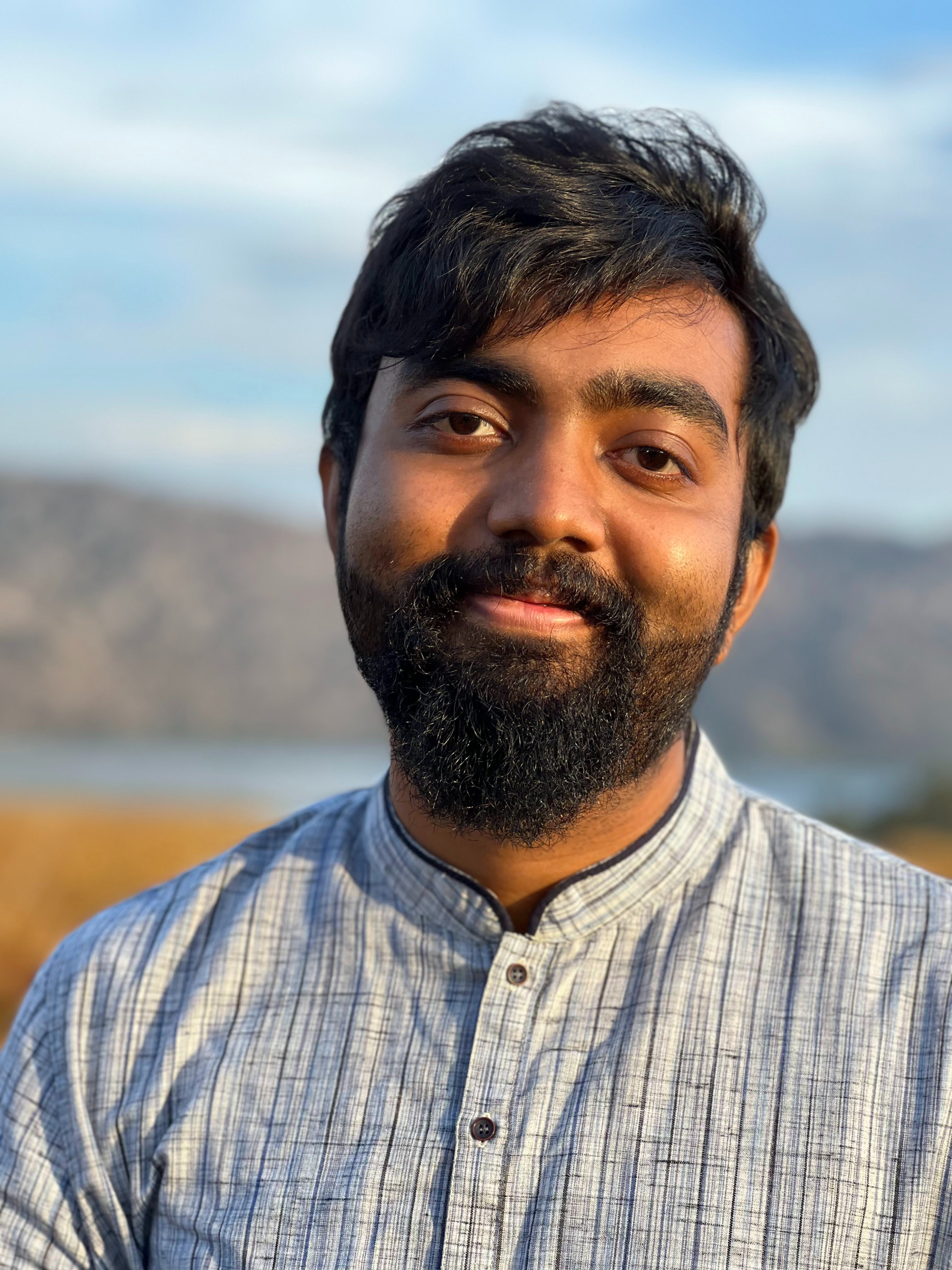
Syed Fatiul Huq works at the intersection of Software Engineering (SE) and Human Computer Interaction (HCI) to investigate and create solutions for software accessibility issues. Syed's work centers around people with disabilities, mapping their real world experiences to software interventions that can enhance accessibility. He publishes in top SE and HCI conferences, including ICSE, CHI, FSE and ASE. For his work on automated report generation from accessibility user tests, Syed received the ACM Distinguished Paper Award at ICSE 2025. Syed is currently a 5th year PhD candidate working with Prof Sam Malek in the SEAL lab.
Syed Fatiul Huq works at the intersection of Software Engineering (SE) and Human Computer Interaction (HCI) to investigate and create solutions for software accessibility issues. Syed's work centers around people with disabilities, mapping their real world experiences to software interventions that can enhance accessibility. He publishes in top SE and HCI conferences, including ICSE, CHI, FSE and ASE. For his work on automated report generation from accessibility user tests, Syed received the ACM Distinguished Paper Award at ICSE 2025. Syed is currently a 5th year PhD candidate working with Prof Sam Malek in the SEAL lab.
more ▼
less ▲
Aaron Imani
PhD student
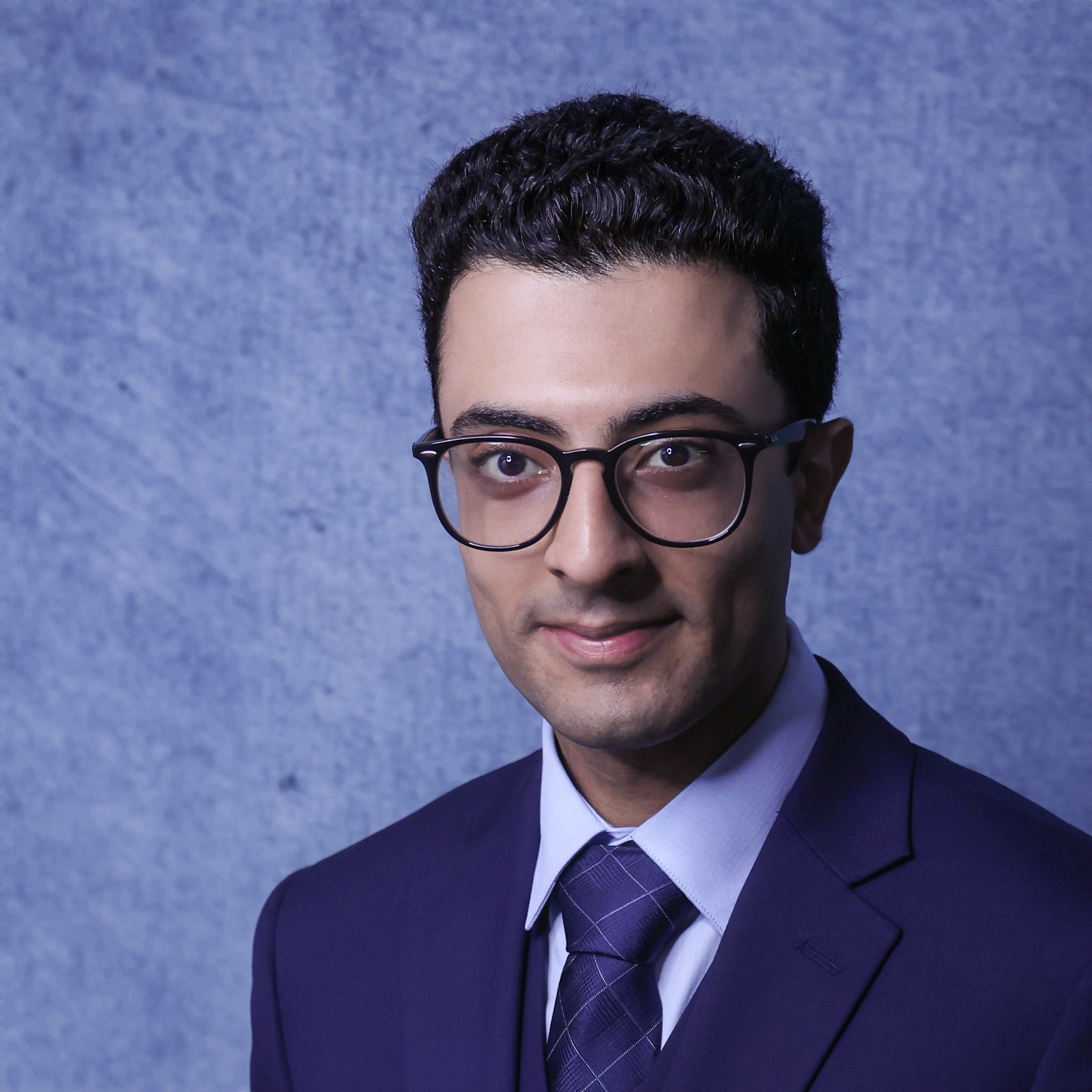
Aaron (Alireza) Imani is a Ph.D. student in Software Engineering at the University of California, Irvine, advised by Dr. Iftekhar Ahmed in the Software Engineering & Testing Using Artificial Intelligence for Reliable Software (STAIRS) Lab. His research focuses on large language models for code, software maintenance, and empirical studies of developer practices. Imani has published at top-tier venues including the International Conference on Software Engineering (ICSE) and the Mining Software Repositories Conference (MSR), with work examining topics such as LLM-generated commit messages and the evolution of prompting in software repositories. His recent research investigates the underlying mechanisms for code-related behaviors of LLMs.
Aaron (Alireza) Imani is a Ph.D. student in Software Engineering at the University of California, Irvine, advised by Dr. Iftekhar Ahmed in the Software Engineering & Testing Using Artificial Intelligence for Reliable Software (STAIRS) Lab. His research focuses on large language models for code, software maintenance, and empirical studies of developer practices. Imani has published at top-tier venues including the International Conference on Software Engineering (ICSE) and the Mining Software Repositories Conference (MSR), with work examining topics such as LLM-generated commit messages and the evolution of prompting in software repositories. His recent research investigates the underlying mechanisms for code-related behaviors of LLMs.
more ▼
less ▲
Samyak Jhaveri
PhD student
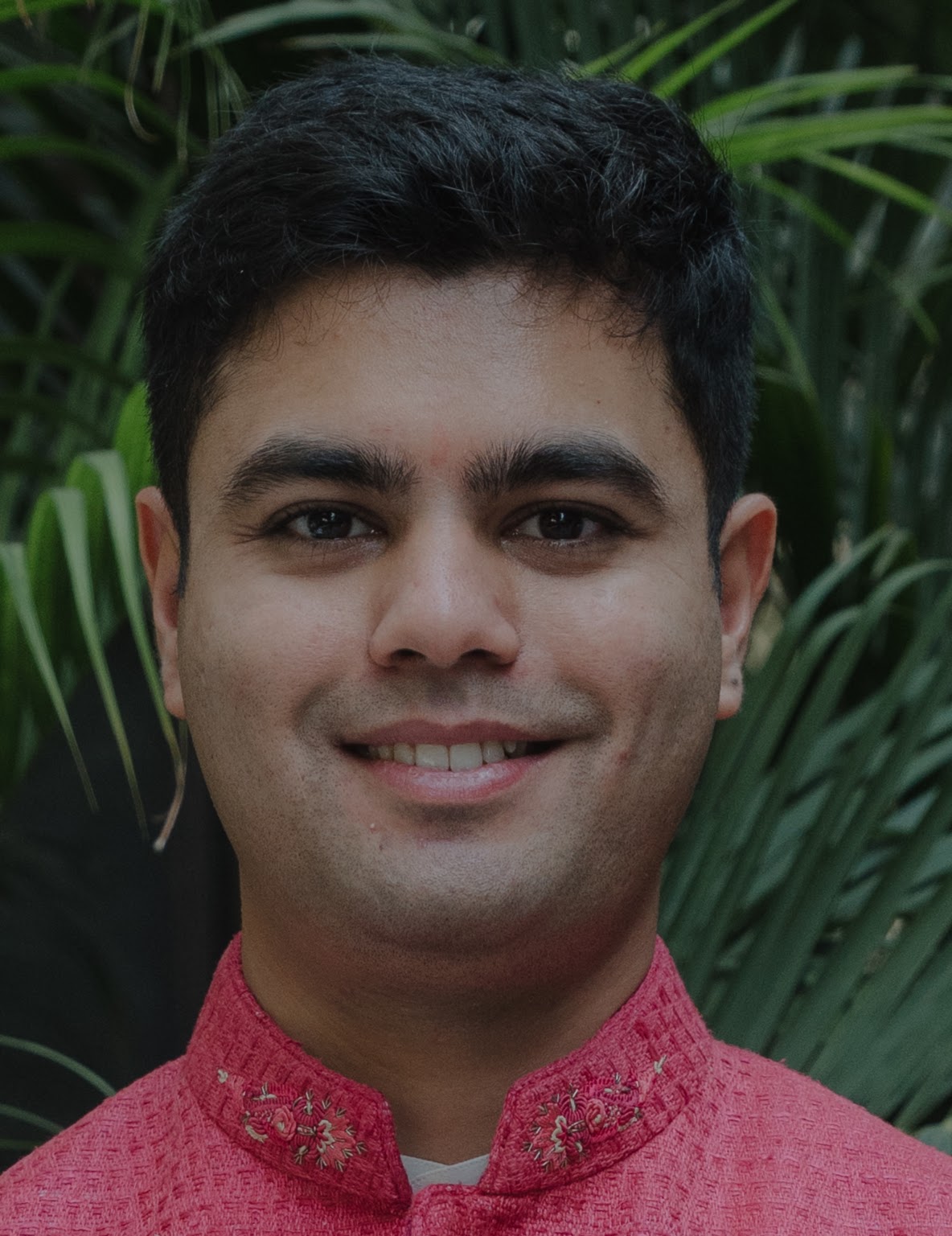
Final-Year Software Engineering PhD Candidate at UC Irvine (‘26) and Applied Research Scientist specializing in AI-Assisted Software Engineering and Clinical AI. Expert in aligning and evaluating language models for parallel code generation as well as clinical text generation applications using post-training, evolutionary prompt optimization, and multi-agent self-reflective AI framework. Prior to LLMs, conducted software engineering research in quantum computing. Published multiple papers, including in top conferences like OOPSLA. Looking for full-time positions as Applied Research Scientist to contribute to teams in AI research in Healthcare, Software Engineering, Finance, or HPC. Visa Status: F-1, CPT STEM OPT eligible.
Final-Year Software Engineering PhD Candidate at UC Irvine (‘26) and Applied Research Scientist specializing in AI-Assisted Software Engineering and Clinical AI. Expert in aligning and evaluating language models for parallel code generation as well as clinical text generation applications using post-training, evolutionary prompt optimization, and multi-agent self-reflective AI framework. Prior to LLMs, conducted software engineering research in quantum computing. Published multiple papers, including in top conferences like OOPSLA. Looking for full-time positions as Applied Research Scientist to contribute to teams in AI research in Healthcare, Software Engineering, Finance, or HPC. Visa Status: F-1, CPT STEM OPT eligible.
more ▼
less ▲
Afrina Khatun
PhD student
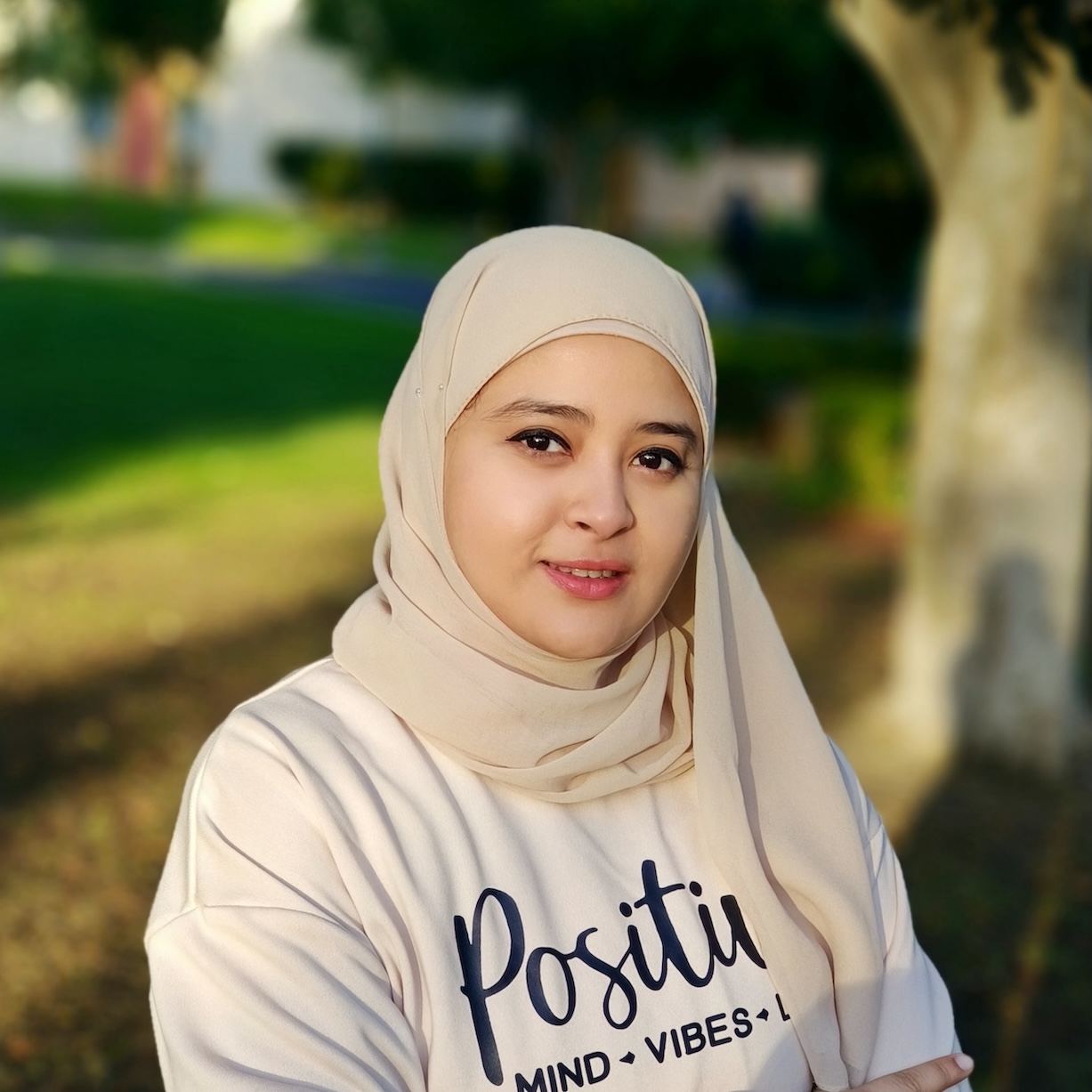
Afrina Khatun (she/her/hers) is a second-year PhD student in the Department of Informatics at the University of California, Irvine. She works under the supervision of Professor James A. Jones at the Spider Lab. Her research broadly focuses on enhancing software quality by analyzing and improving the writing, maintenance, and evolution of software test cases. She completed her master’s degree in software engineering, where she explored how higher education environments can foster students’ personal, professional, and social growth.
Afrina is deeply committed to student-centered and equity-focused teaching practices. She emphasizes active engagement and critical thinking by encouraging students to apply course concepts to real-world scenarios. Afrina is interested to observe how AI shapes the future education particularly in STEM. Prior starting her PhD at UCI, Afrina served as an Assistant Professor at Bangladesh University of Professionals (BUP), where she taught undergraduate software engineering courses through outcome-based teaching approach. Beyond the classroom, she mentored students in organizing student club events and supported them in developing final-year projects. Her experience with students inside and outside the classroom, inspired her to continue as an educator.
Afrina has continued her passion for teaching at UCI through her role as a Teaching Assistant since Fall 2024. Afrina has been selected UCI Pedagogical Scholar 2026. She also served as a judge at VenusHack 2025, UCI’s largest women-centric hackathon, where she reviewed undergraduate software projects and engaged with students on their creative and technical ideas. Afrina aspires to pursue a future career in academic research and teaching. Outside the classroom, she loves spending time with her family and exploring the mountains.
Afrina Khatun (she/her/hers) is a second-year PhD student in the Department of Informatics at the University of California, Irvine. She works under the supervision of Professor James A. Jones at the Spider Lab. Her research broadly focuses on enhancing software quality by analyzing and improving the writing, maintenance, and evolution of software test cases. She completed her master’s degree in software engineering, where she explored how higher education environments can foster students’ personal, professional, and social growth.
Afrina is deeply committed to student-centered and equity-focused teaching practices. She emphasizes active engagement and critical thinking by encouraging students to apply course concepts to real-world scenarios. Afrina is interested to observe how AI shapes the future education particularly in STEM. Prior starting her PhD at UCI, Afrina served as an Assistant Professor at Bangladesh University of Professionals (BUP), where she taught undergraduate software engineering courses through outcome-based teaching approach. Beyond the classroom, she mentored students in organizing student club events and supported them in developing final-year projects. Her experience with students inside and outside the classroom, inspired her to continue as an educator.
Afrina has continued her passion for teaching at UCI through her role as a Teaching Assistant since Fall 2024. Afrina has been selected UCI Pedagogical Scholar 2026. She also served as a judge at VenusHack 2025, UCI’s largest women-centric hackathon, where she reviewed undergraduate software projects and engaged with students on their creative and technical ideas. Afrina aspires to pursue a future career in academic research and teaching. Outside the classroom, she loves spending time with her family and exploring the mountains.
more ▼
less ▲
June Hyung (Jacob) Kim
PhD student
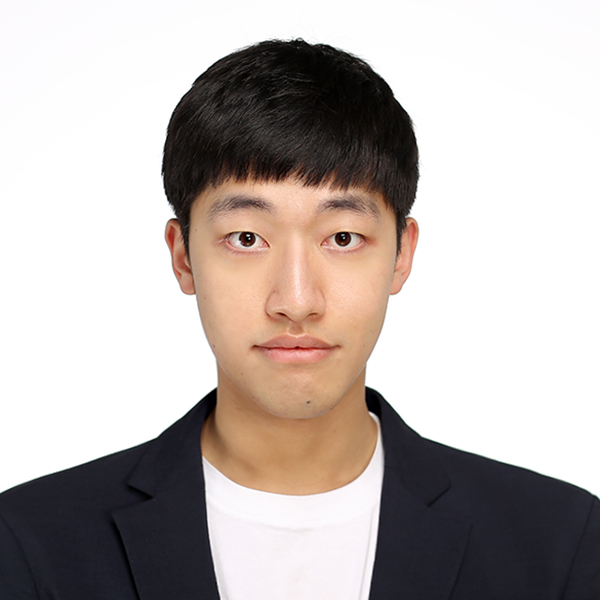
I am a PhD student at the UC Irvine Donald Bren School of Information and Computer Science. I did my undergrad at the University of Michigan. I work at the juncture of software engineering, AI, and programming languages to find interesting ways to write code. I am currently investigating ways to improve long-context reasoning and problem solving in SE agents. Before my PhD, I worked at Continue.dev delivering Next Edit prediction on VS Code, JetBrains, and Neovim, using an in-house diffusion model trained via SFT and DPO. I also worked on using static analysis tools to improve LLM eval scores for code generation, working closely with parsers, compiler API, and LSPs for recursive type extraction.
I am a PhD student at the UC Irvine Donald Bren School of Information and Computer Science. I did my undergrad at the University of Michigan. I work at the juncture of software engineering, AI, and programming languages to find interesting ways to write code. I am currently investigating ways to improve long-context reasoning and problem solving in SE agents. Before my PhD, I worked at Continue.dev delivering Next Edit prediction on VS Code, JetBrains, and Neovim, using an in-house diffusion model trained via SFT and DPO. I also worked on using static analysis tools to improve LLM eval scores for code generation, working closely with parsers, compiler API, and LSPs for recursive type extraction.
more ▼
less ▲

Yuangang Li
PhD student
Yuangang Li is a Ph.D. student at UCI with research and engineering capabilities in AI, specializing in trustworthy LLMs, LLM Reasoning, Scalable AI/Agent Evaluation, and AI for Software Engineering. He has conducted research at Stanford, USC, and UV A, and previously worked at SenseTime developing production-grade cloud-native infrastructure. He brings a combination of deep research expertise and hands-on production experience. He also serves on the program committee for top-tier conferences, including KDD 2025 (Outstanding Reviewer) and 2026 (Senior Area Chair), ICLR 2026, ICML 2025, AAAI 2026, MLSys 2026, IEEE MLSP 2025, ICASSP 2025, and WWW 2026.
Yuangang Li is a Ph.D. student at UCI with research and engineering capabilities in AI, specializing in trustworthy LLMs, LLM Reasoning, Scalable AI/Agent Evaluation, and AI for Software Engineering. He has conducted research at Stanford, USC, and UV A, and previously worked at SenseTime developing production-grade cloud-native infrastructure. He brings a combination of deep research expertise and hands-on production experience. He also serves on the program committee for top-tier conferences, including KDD 2025 (Outstanding Reviewer) and 2026 (Senior Area Chair), ICLR 2026, ICML 2025, AAAI 2026, MLSys 2026, IEEE MLSP 2025, ICASSP 2025, and WWW 2026.
more ▼
less ▲

Steven Ngo
PhD student
Steven Ngo is a Software Engineering Ph.D. student, currently advised by Associate Professor Joshua Garcia, and broadly focuses on software engineering & security education and software security. Ngo studies student-run organizations (e.g., cyber clubs) to understand their perspectives and motivations in providing informal modalities of peer-to-peer education, which facilitate the development of educational collaborations, frameworks, and tools to support such organizations. He is the President of Cyber@UCI and was on the Cyber@UCI Collegiate Cyber Defense Competition (CCDC) team from 2023-2025, where the team became the National CCDC '25 Champions. Ngo is an author for IEEE Security & Privacy, has served on multiple research conferences' artifact evaluation committees (NDSS, IEEE S&P, ICSA), and has reviewed for top-tier journals (TSE, TDSC).
Steven Ngo is a Software Engineering Ph.D. student, currently advised by Associate Professor Joshua Garcia, and broadly focuses on software engineering & security education and software security. Ngo studies student-run organizations (e.g., cyber clubs) to understand their perspectives and motivations in providing informal modalities of peer-to-peer education, which facilitate the development of educational collaborations, frameworks, and tools to support such organizations. He is the President of Cyber@UCI and was on the Cyber@UCI Collegiate Cyber Defense Competition (CCDC) team from 2023-2025, where the team became the National CCDC '25 Champions. Ngo is an author for IEEE Security & Privacy, has served on multiple research conferences' artifact evaluation committees (NDSS, IEEE S&P, ICSA), and has reviewed for top-tier journals (TSE, TDSC).
more ▼
less ▲
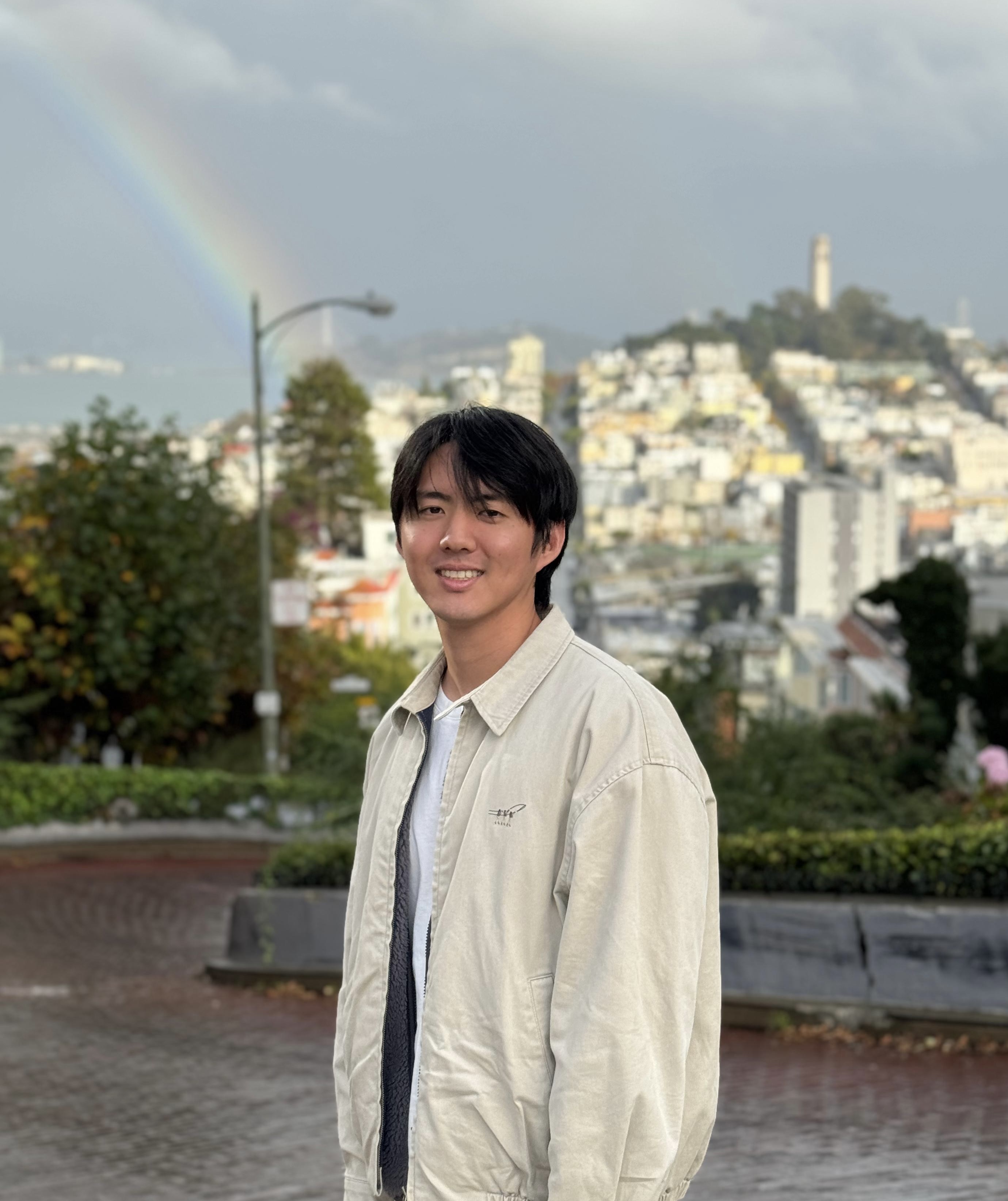
Hyunjae Suh
PhD student
Hyunjae Suh is a Ph.D. student in Software Engineering at the University of California, Irvine (UCI), where he conducts research under Prof. Iftekhar Ahmed. His work focuses on Generative AI for Software Engineering, particularly on evaluating and improving the reliability, detectability, and accessibility of large language models (LLMs) in code generation. His research spans AI-generated code detection, watermarking, accessible code generation, and ML-based software change risk assessment. He has industry experience as an Applied Scientist Intern at Amazon, where he developed ML-driven change-risk models for large-scale production systems, achieving strong predictive performance using diff-aware representations and ensemble methods. Hyunjae is passionate about building trustworthy, responsible AI systems for real-world software development.
Hyunjae Suh is a Ph.D. student in Software Engineering at the University of California, Irvine (UCI), where he conducts research under Prof. Iftekhar Ahmed. His work focuses on Generative AI for Software Engineering, particularly on evaluating and improving the reliability, detectability, and accessibility of large language models (LLMs) in code generation. His research spans AI-generated code detection, watermarking, accessible code generation, and ML-based software change risk assessment. He has industry experience as an Applied Scientist Intern at Amazon, where he developed ML-driven change-risk models for large-scale production systems, achieving strong predictive performance using diff-aware representations and ensemble methods. Hyunjae is passionate about building trustworthy, responsible AI systems for real-world software development.
more ▼
less ▲
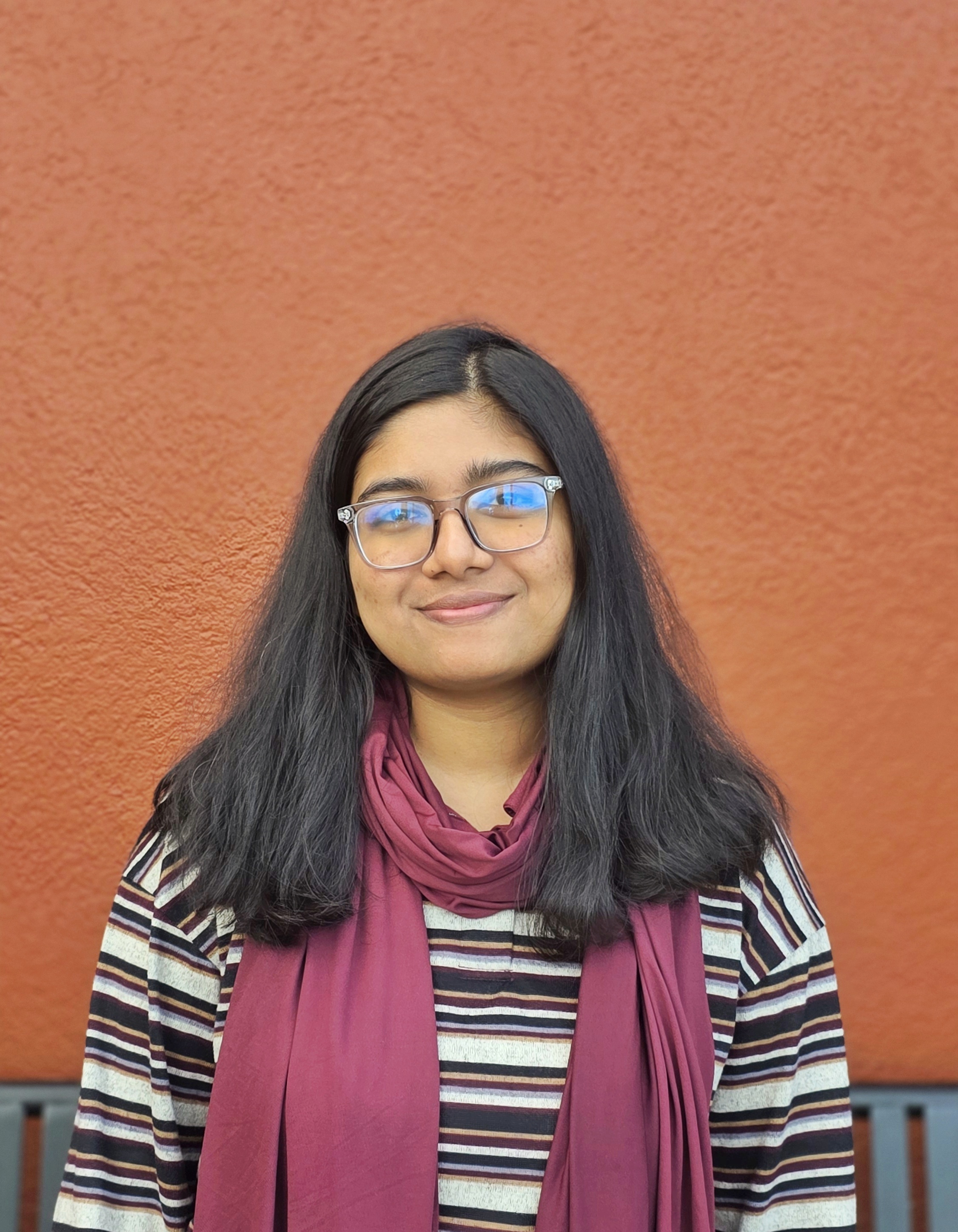
Noshin Tahsin
PhD student
Noshin Tahsin is a Ph.D. student in Software Engineering at the University of California, Irvine, advised by Professor Thomas Zimmermann in the Capybara Science Lab. Her research investigates human–AI collaboration in software engineering, with a focus on designing responsible, reliable, and human-centered AI-powered development tools. She studies how developers interact with intelligent systems, how AI systems fail in real-world workflows, and how to design adaptive support systems that enhance developer experience and software quality. Prior to joining UC Irvine, she served as a Lecturer in the Department of Computer Science and Engineering at Kishoreganj University. Her work has been published at venues including AIES, GE, SESoS, and APSEC, and she received the SESoS Distinguished Paper Award in 2023. She completed her Bachelor’s and Master’s in Software Engineering at the Institute of Information Technology, University of Dhaka.
Noshin Tahsin is a Ph.D. student in Software Engineering at the University of California, Irvine, advised by Professor Thomas Zimmermann in the Capybara Science Lab. Her research investigates human–AI collaboration in software engineering, with a focus on designing responsible, reliable, and human-centered AI-powered development tools. She studies how developers interact with intelligent systems, how AI systems fail in real-world workflows, and how to design adaptive support systems that enhance developer experience and software quality. Prior to joining UC Irvine, she served as a Lecturer in the Department of Computer Science and Engineering at Kishoreganj University. Her work has been published at venues including AIES, GE, SESoS, and APSEC, and she received the SESoS Distinguished Paper Award in 2023. She completed her Bachelor’s and Master’s in Software Engineering at the Institute of Information Technology, University of Dhaka.
more ▼
less ▲
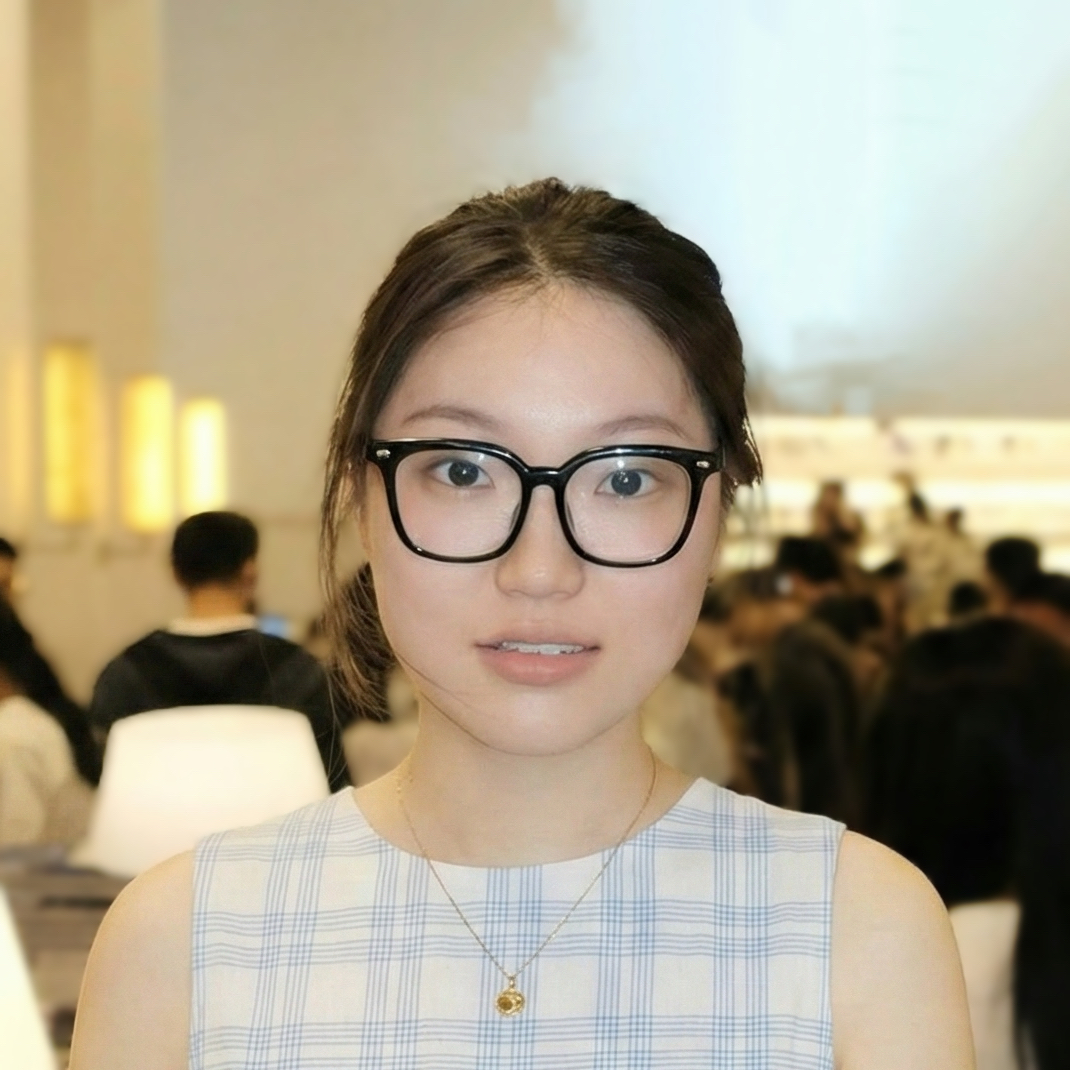
Yujin Zhang
PhD student
Yujin Zhang is a first-year Ph.D. student in Software Engineering at the University of California, Irvine, advised by Dr. Daye Nam. She received her B.E. from Nanjing University. Her research lies at the intersection of artificial intelligence, human–computer interaction, and software engineering, where she builds human-centered AI tools to improve how people collaborate and interact with AI agents.
Yujin Zhang is a first-year Ph.D. student in Software Engineering at the University of California, Irvine, advised by Dr. Daye Nam. She received her B.E. from Nanjing University. Her research lies at the intersection of artificial intelligence, human–computer interaction, and software engineering, where she builds human-centered AI tools to improve how people collaborate and interact with AI agents.
more ▼
less ▲
Master's students

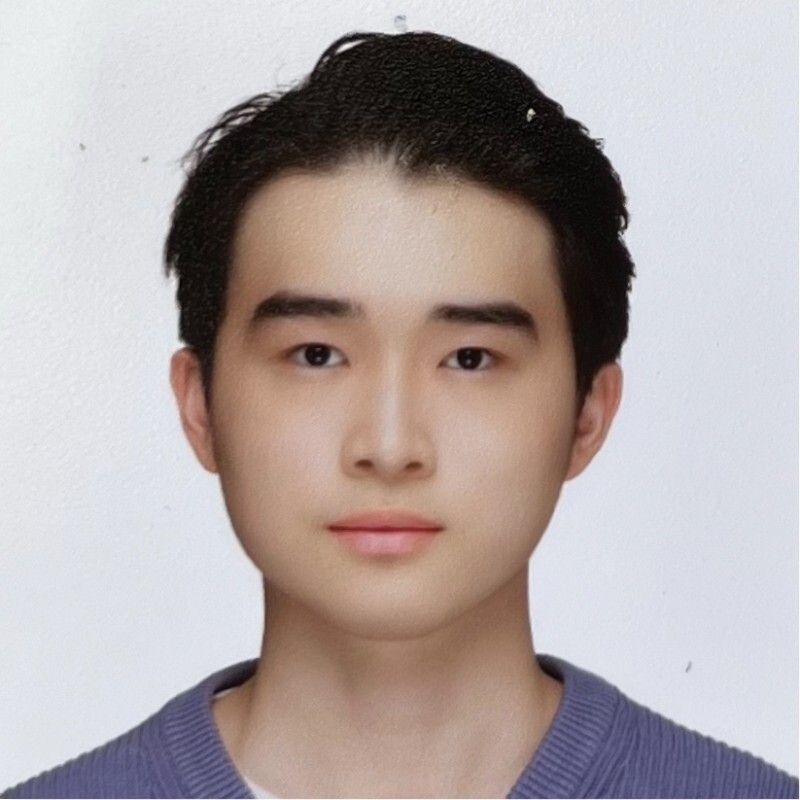
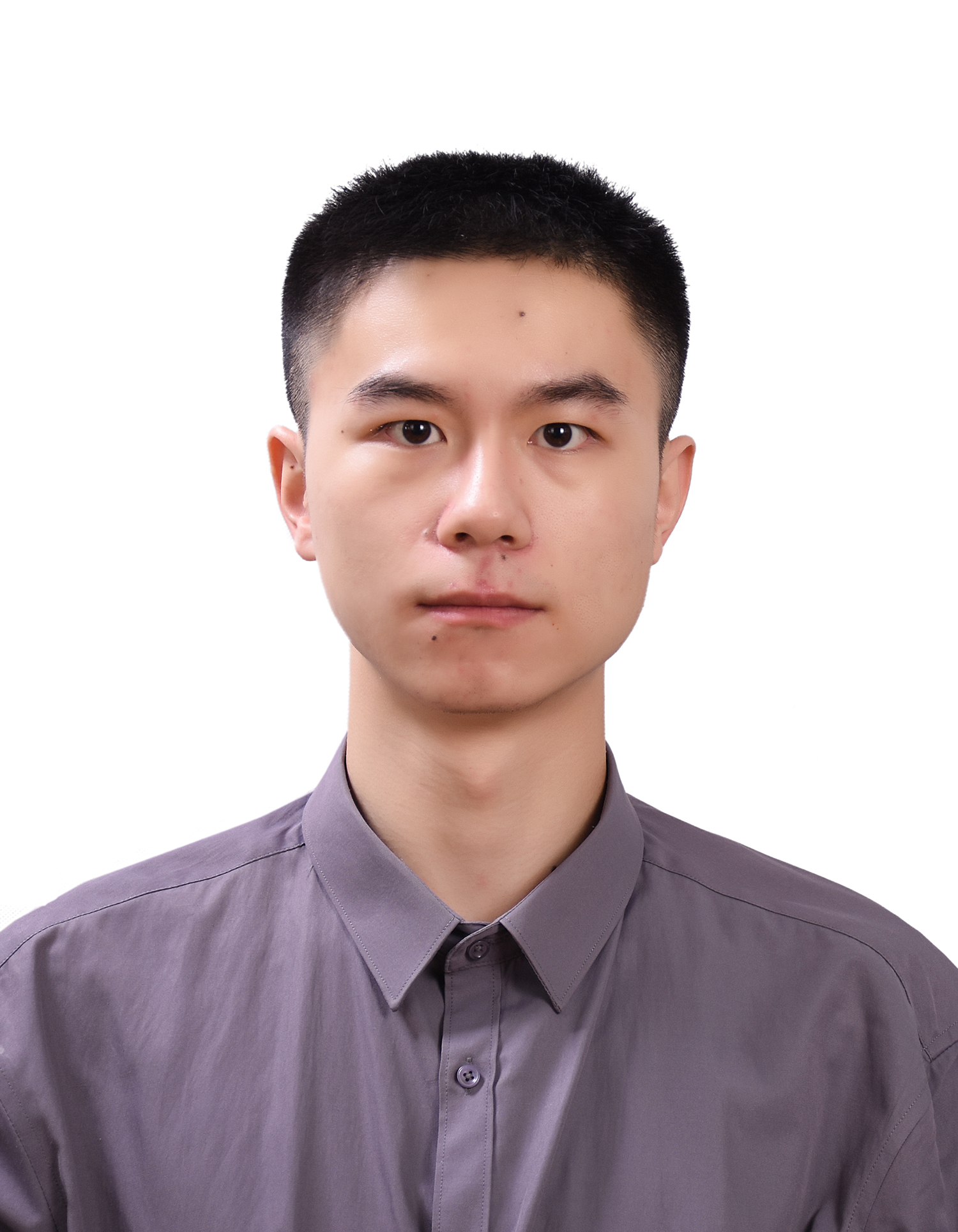
Zhicheng Yu
M.S. student
Zhicheng Yu is a first year MS student in Software Engineering at UCI. Working in the cross-disciplinary area of software engineering and large language models.
Zhicheng Yu is a first year MS student in Software Engineering at UCI. Working in the cross-disciplinary area of software engineering and large language models.
more ▼
less ▲